When You've Outgrown Fresha: What to Look For in Your Next Booking Tool
Fresha is free because it earns on payment processing and marketplace exposure. Here's how to know when those trade-offs cost more than they save.

Fresha is one of the most popular booking platforms for independent beauty businesses, and for good reasons. The booking flow is clean, the platform is genuinely free at the entry tier, and the marketplace surface drives real new-client traffic to listed businesses.
Many salons that start with Fresha do well there for years. But there is a specific point in a business's growth where the Fresha trade-offs start costing more than they save, and many owners stay too long before noticing.
Here is how to spot the signals.
What Fresha is actually trading
Fresha's business model is built around taking a cut on payment processing rather than charging a flat subscription. To make that work at scale, the platform has two key features that shape the experience:
A marketplace. Your business is listed alongside other salons in your area. Clients can discover you through Fresha's search. Some of your new clients will come from this discovery. Others will see ads or recommendations for competing salons on the same screen as your booking page.
Payment processing as the revenue model. Fresha takes a percentage of every card transaction routed through the platform. The exact rate varies by region and service tier, but it is structurally how the platform earns its keep.
For a new business with no existing client base, the marketplace exposure can genuinely accelerate growth. For an established business with a strong direct client base, those same trade-offs start to look different.
The signals you've outgrown it
Five things that suggest Fresha has become the limiter rather than the accelerator.
1. Most of your new clients now come from word-of-mouth, not the marketplace.
If 80% of your new clients are coming from referrals, social media, or your Google Business Profile, the marketplace is no longer doing real work for you. You are paying for exposure you no longer need.
2. Payment processing fees are starting to feel meaningful.
When you were doing 30 appointments a month at $60 average, the percentage felt small. At 200 appointments a month at $90 average, that same percentage is significant. Run the math. Many businesses at this volume are paying several hundred dollars a month in processing fees that a flat-subscription tool plus a direct payment processor would save them money on.
3. You are trying to build a recognizable brand.
Your booking page on Fresha is Fresha-branded. Clients see "Fresha" in the URL, in the booking flow, in the confirmation emails. For a small operation, that is fine. For a salon trying to build a brand identity that clients remember and return to directly, the constant co-branding dilutes your work.
4. You want stronger retention tooling.
Fresha's loyalty and retention features exist but are not the platform's strength. Tools like dedicated client portals, automated rebooking nudges, and integrated referral tracking are stronger in platforms built specifically around retention. We covered the retention philosophy separately.
5. You feel uncomfortable being shown alongside competitors.
The marketplace was useful when you needed discovery. Once you have a client base, the same marketplace shows your clients ads for other salons. Some owners are fine with this. Some find it actively damaging to client retention because the platform is, by design, encouraging clients to consider alternatives.
If three or more of these signals ring true, you have probably outgrown Fresha.
What to look for in your next tool
Five features that matter most when migrating off a marketplace booking tool.
- Your own branded booking page, with no marketplace overlay or competitor exposure
- A flat subscription instead of per-transaction fees, so your costs do not scale with revenue
- A direct payment processor option (Stripe, Square, or your own), so payment processing fees are decoupled from booking
- Stronger retention features (automated rebooking, loyalty tracking, client portal) since at your stage, retention matters more than discovery
- Clean data export so you are never locked in to a single platform again
The tools that fit this profile include Lumidara, Vagaro, and a handful of others. The right choice depends on your business size and budget. See what solo operators actually need and the Lumidara vs Square comparison for more.
The migration question
Migrating from a marketplace tool is more involved than migrating between subscription tools, primarily because of two factors.
Client data. Fresha allows client data export, though the format varies. You will get names, contact info, and visit history. You will not get cleanly portable booking links or your reviews (reviews stay on Fresha).
Client behavior. Some of your clients book directly through Fresha's app, not through your booking page. Those clients will need to be re-onboarded to your new tool. Plan for a few weeks of transition where you communicate the change clearly.
A workable plan: announce the change 30 days out, run both tools in parallel for two weeks, then close Fresha bookings while keeping the account live for another 60 days so existing future appointments are honored. After that, fully deprecate.
Do not be afraid to migrate. The friction of changing tools is real but one-time. The compounding savings of a better-fit tool over the next three years are larger.
What you give up
Honest accounting matters here.
You will give up the marketplace traffic. If a meaningful percentage of your current bookings come from Fresha discovery, those clients will not follow you automatically. Some will (the ones who became regulars). Some will not (the ones who book whatever is cheapest or closest on the marketplace).
You will give up the existing Fresha reviews. Reviews stay on Fresha. Build review velocity on Google Business Profile and other independent platforms before migrating, so you do not lose your social proof.
You will give up the "free" perception. A flat monthly subscription feels like a real cost, even when it is smaller than the processing fees you were paying. Some owners struggle with this. The math usually tells a clear story once you actually calculate it.
The owners who migrate successfully usually do it when the signals are clear and the underlying business is healthy enough to absorb a few weeks of transition friction. The ones who migrate too late tend to leave a lot of money on the table while telling themselves the trade-offs are still working.
If you are still in the discovery phase of building your client base, stay where you are. If you have built something real and the marketplace is now eating into what you built, it is time to move.

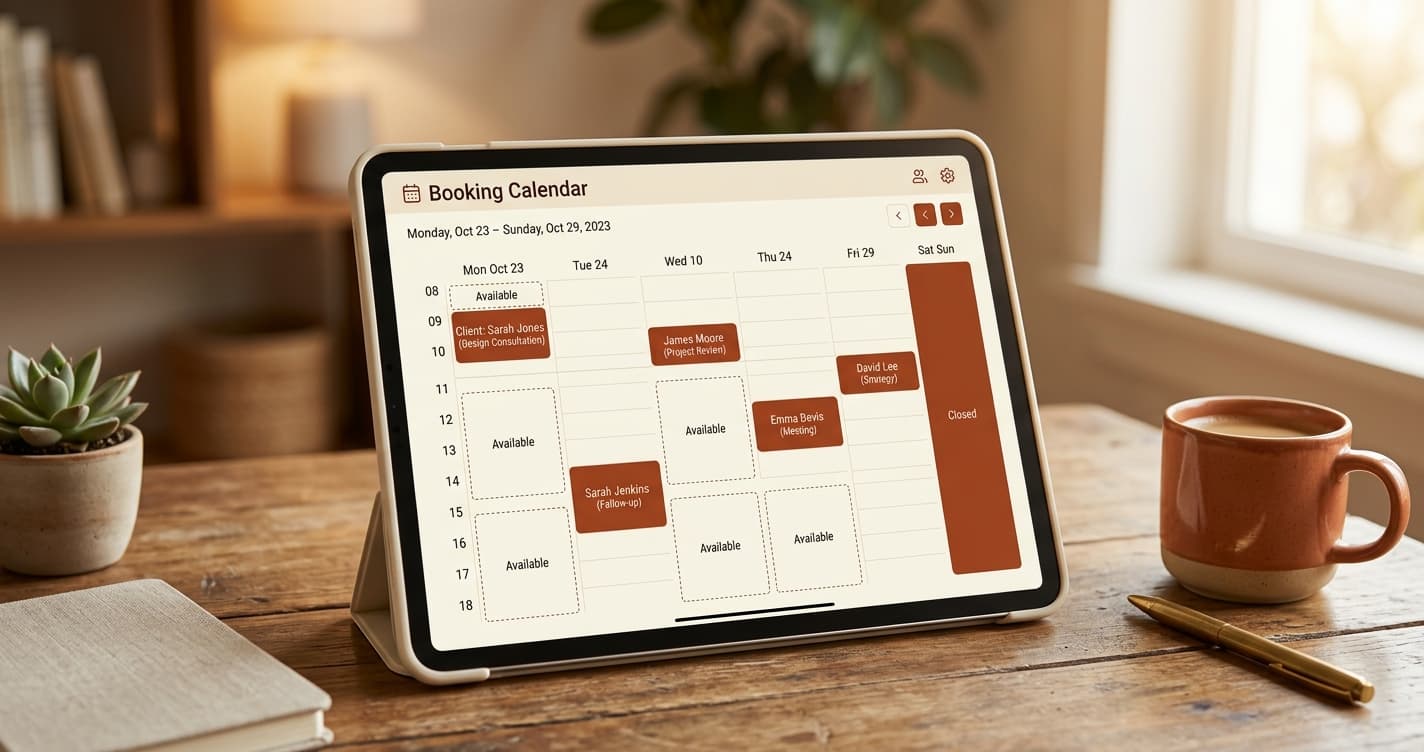
Built for businesses like yours
Lumidara is the affordable scheduling and client platform for independent salons, nail studios, lash bars, and spas. Free to start. No credit card required.
See how Lumidara works