The Real Cost of a No-Show: How to Protect Your Schedule and Revenue
What no-shows actually cost a small salon, and the systems that recover most of the lost revenue without making clients feel policed.
Every salon owner knows the feeling. Fifteen minutes after an appointment was supposed to start, the chair is empty, the client is not answering their phone, and you have lost an hour of revenue you can never get back.
No-shows are one of the most frustrating parts of running a beauty business. What makes them worth understanding is that most of them are preventable, and the ones that are not can be managed without making your remaining clients feel policed.
The math most owners don't do
A no-show is not just an inconvenience. It has a real dollar value.
Say your average service is $80 and you have twenty appointments a week. A 10% no-show rate is two missed appointments per week, or roughly $640 a month. Over a year, that is more than $7,500 in lost revenue. For a solo operator, that is not a rounding error. That is a vacation, a new chair, or three months of software costs.
And that is before you account for the ripple effects. Turning away a client who could have taken that slot. Paying for supplies that were already prepared. The mental cost of a disrupted schedule that knocks you out of rhythm for the rest of the day.
Most owners know no-shows are a problem. Few have actually done the math. Once you do, the case for fixing it becomes obvious.
Why clients no-show
Before you fix the problem, it helps to understand it. Clients no-show for a few reasons, and the fix depends on which one is operating.
They forgot. This is the most common reason and the easiest to fix. An automated reminder 24 hours before the appointment, and ideally another a few hours before, catches the majority of forgetful clients.
Life changed. Something came up. The ones who care about your relationship will reach out to reschedule. The ones who don't have demonstrated where you stand in their priorities. This is information.
There is no consequence. If a client knows they can no-show without any outcome, the cost of doing so is zero. Some clients will take advantage of that, not from malice, but because convenience wins when there is nothing at stake.
They were never strongly committed in the first place. If a booking process takes one tap and costs nothing upfront, the mental weight of the appointment is low. A more involved booking process, or a small deposit, increases psychological commitment.
The first two are normal and partially unavoidable. The third and fourth are where systems can quietly do most of the work.
Appointment reminders alone recover most of them
The single highest-leverage thing you can do is implement automated appointment reminders.
Sent 24 hours before, they convert a meaningful percentage of would-be no-shows into same-day cancellations, which at least gives you a chance to fill the slot or restructure your day. Sent again a few hours before, they catch the morning-of forgetters.
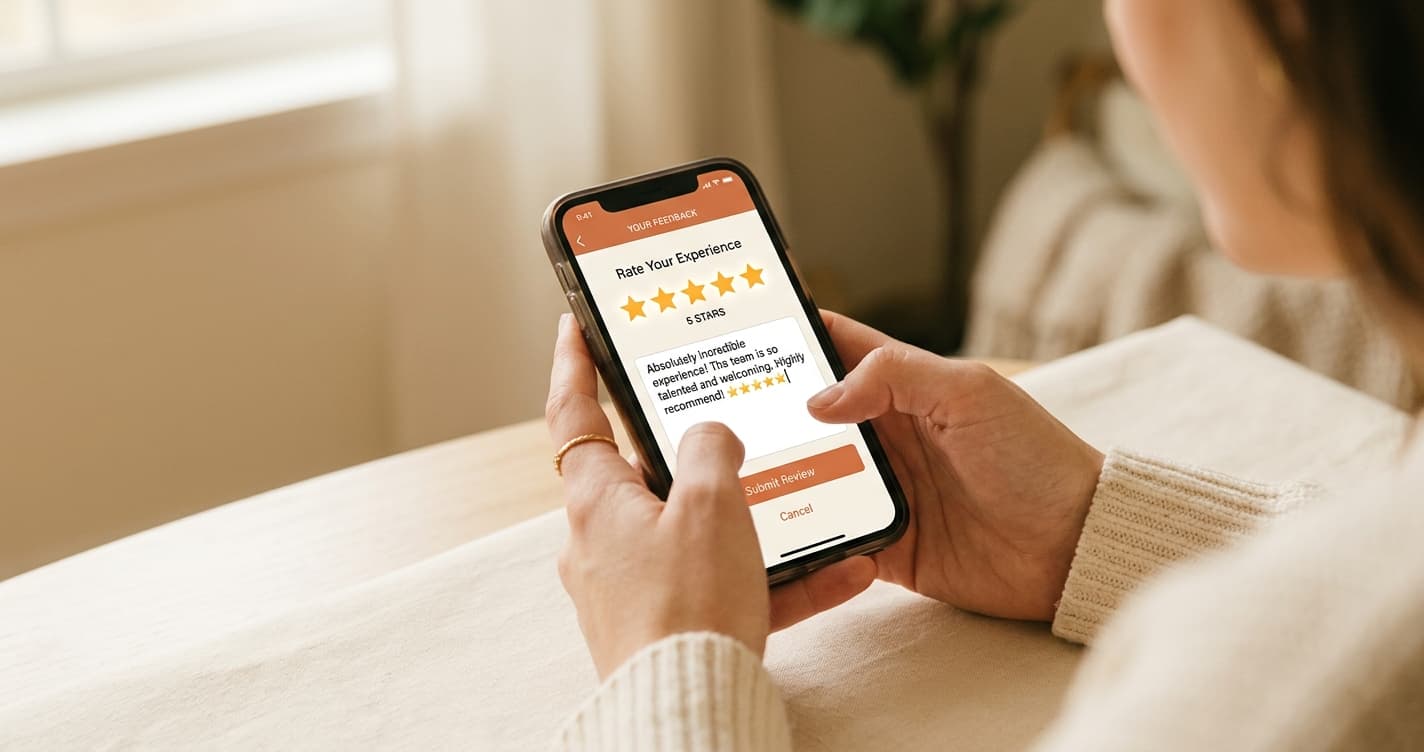
Make the reminder easy to act on. Include a way to confirm, reschedule, or cancel directly from the message. Do not make the client dig through their inbox to find your phone number. The easier you make it to do the right thing, the more clients will.
This single change, properly implemented, often cuts no-show rates in half. It costs nothing once you have a tool that sends them automatically.
A written no-show policy changes behavior
You do not need a punitive policy. You need a clear one.
Something like: "Appointments cancelled with less than 24 hours notice will be charged 50% of the service fee. No-shows will be charged the full amount."
Display it on your booking page, include it in your confirmation email, and refer to it matter-of-factly when you need to enforce it. Most clients will never trigger it. But its existence changes how seriously people treat the commitment.
Deposits at booking are the stricter version of this. They require a card on file before the appointment is confirmed. They reduce no-shows dramatically. They also add friction that some clients won't accept, particularly first-time bookers who haven't yet decided whether they trust you.
Where you land on this depends on your clientele and your market. A lash bar booking $300 sessions probably wants deposits. A nail studio doing $40 polish changes probably doesn't. Many businesses sit in the middle, with no deposit for established clients but a deposit required after a no-show.
What to do when a no-show happens
If a client no-shows without contact, send a message the same day. Keep it brief and neutral: "We missed you today. We'd love to help you rebook, here's a link to find a time that works." Leave the door open without making them feel accused.
Some will come back. Some won't. The ones who do often become reliable long-term clients, precisely because they felt a little sheepish about the no-show and want to make it right.
The ones who no-show repeatedly without explanation are telling you something about how much they value the relationship. It is reasonable to flag them in your system and require a deposit for future bookings. This is not punishment. It is calibrating the level of commitment your business is willing to extend.
Don't underprice your time as a way of making clients comfortable
A subtler version of the no-show problem is the cancellation that comes 25 hours before the appointment, technically inside your policy window, but still leaves you with a hole you can't fill. Some clients do this strategically once they realize the policy boundary.
You cannot solve this with policy alone. You solve it with calendar visibility (so other clients can grab the slot via online booking) and with cultivating a clientele that genuinely values the relationship.
The strongest signal that a client values your time is whether they treat it like their dentist's time. People do not casually no-show on their dentist. They might no-show on a service business they perceive as low-stakes. Your job is to be perceived as the former.
No-shows are a systems problem, not a people problem
The clients who no-show are, in most cases, the same clients who would have shown up if they had gotten a reminder, or if the stakes had felt a little higher. They are not uniquely unreliable. They are responding to incentives.
Build systems that make it easy to remember, easy to reschedule, and clear that your time has value. That combination handles the vast majority of no-shows without any awkward conversations.
The handful of clients who no-show repeatedly despite all of that are a different problem, and the answer there is a deposit, a flag in your system, or in rare cases a polite "I don't think we are the right fit." Most owners never need that last step. The systems do almost all of the work.
Built for businesses like yours
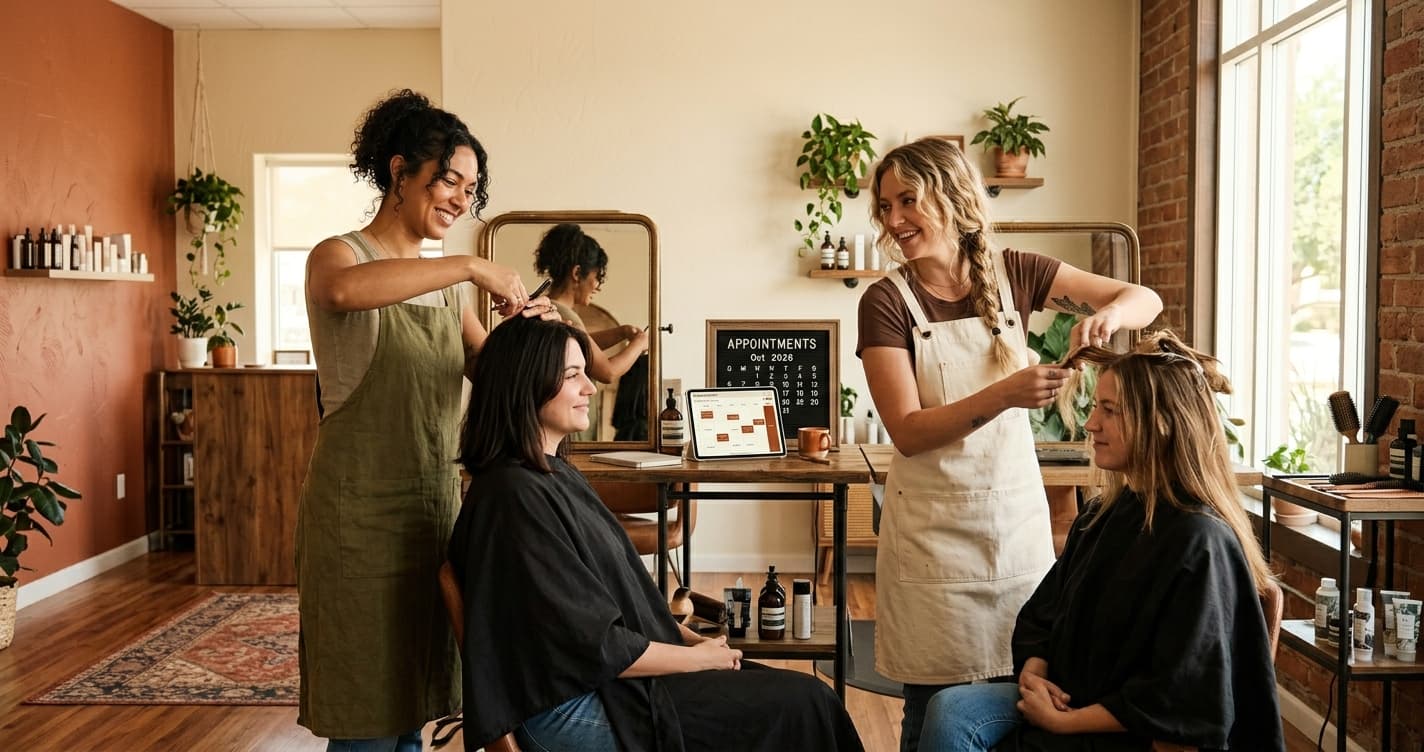
Lumidara is the affordable scheduling and client platform for independent salons, nail studios, lash bars, and spas. Free to start. No credit card required.
See how Lumidara works