How to Follow Up with Clients Without Feeling Pushy
Most owners avoid following up because they don't want to be a pest. Here's how to follow up in a way that feels helpful, not desperate.
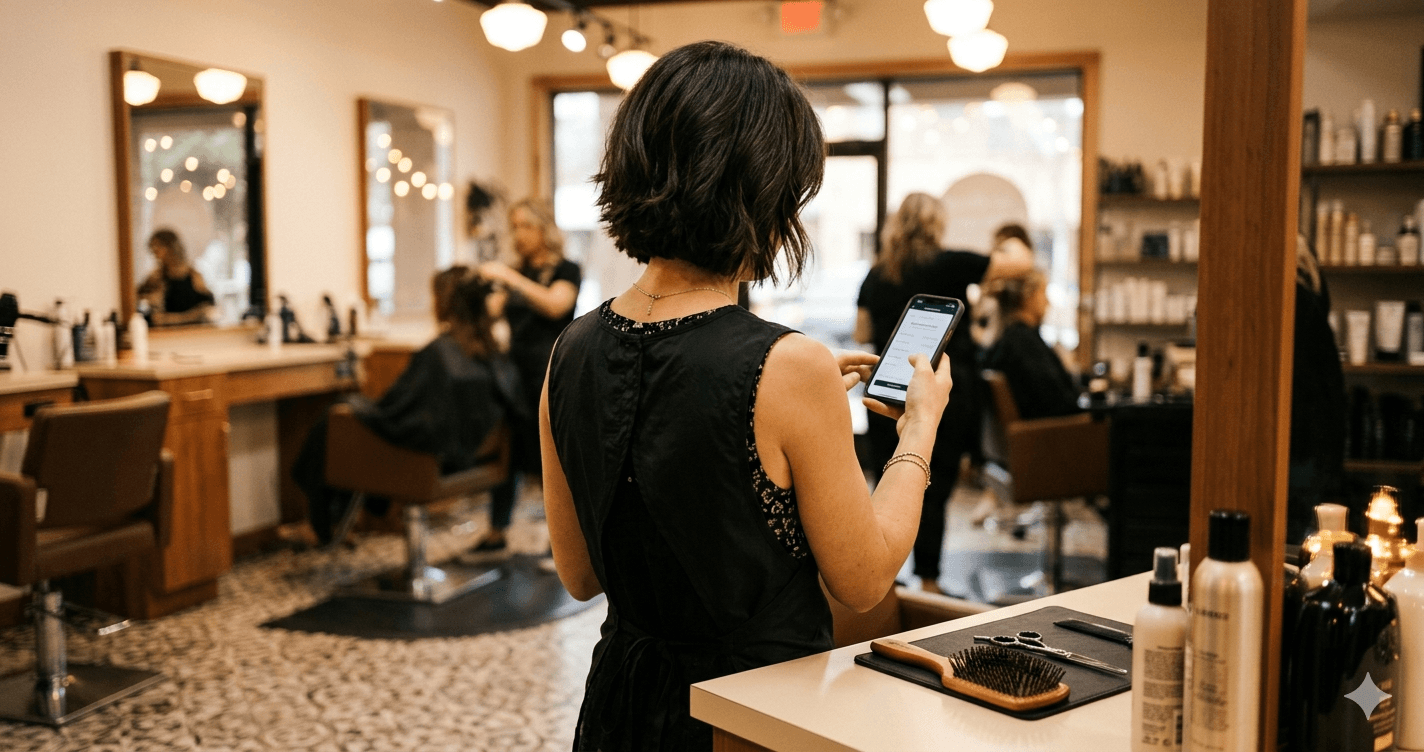
Most owners under-follow-up with their clients. The reason is almost always the same: they don't want to be a pest.
The fear is reasonable. Everyone has been on the receiving end of a service business that texted, emailed, and called for weeks after a single appointment. It feels intrusive. It damages the relationship.
But the alternative most owners default to (never following up at all) costs more clients than the over-followers lose. Inertia takes most of them. They mean to rebook, they don't, time passes, and they drift away.
The right answer is in between. Follow up, but do it in a way that feels helpful, not desperate. The line is mostly about timing and tone.
What "pushy" actually means
Pushy is not about frequency. Three messages spaced six weeks apart, with relevant timing and clear reasons, do not feel pushy. Three messages in a week feel suffocating regardless of content.
Pushy is also not about asking for things. Asking a client to rebook is fine. Asking them to leave a review is fine. Asking them to fill out a survey, follow you on Instagram, and consider your loyalty program in the same message is exhausting.
Pushy is the combination of bad timing, mixed motives, and an undertone of need. "We miss you, please come back, here's a discount, also we have new services, also can you leave a review" reads as a business that is worried about itself, not a business that is thinking about the client.
Good follow-up has the opposite tone. It is short, well-timed, and clearly about the client's experience, not your numbers.
The four follow-ups worth sending
For a small beauty business, there are really only four follow-up messages that earn their place. Sending all four to the right people at the right times will outperform almost any other retention strategy.
1. Post-appointment thank-you (24 hours later)
Short, warm, no ask. "Hope you're loving your color. If anything feels off in the first week, let me know and I'll take care of it. See you soon."
This message does three things: signals that you care about the outcome, opens the door for early correction if something is wrong (which prevents a bad review or silent churn), and reminds the client you exist. It is the only no-ask follow-up that works for almost every client.
Some owners skip this because it feels redundant. It is not. The clients who got a quick thank-you message after their first visit return at noticeably higher rates than the ones who didn't.
2. Rebooking nudge (3 to 4 weeks later)
The most important follow-up. We covered this in how to write a rebooking message. Specific reference to their last visit, clear next step, no guilt. Timed to the natural rebooking window for your service.
Most rebooking nudges convert because they reach the client at the exact moment they were already thinking about it. That is the entire mechanism. Get the timing right, and the message almost writes itself.
3. Reactivation (90 days later, if they haven't rebooked)
For clients who didn't respond to the rebooking nudge and haven't been back. One message, warm, low-pressure.
"Hi Sarah, we haven't seen you in a few months and wanted to check in. If your schedule got crazy or you just needed a break, we get it. The door is always open. Here's our calendar if you'd like to come back."
That's the message. No discount. No guilt. No follow-up to this follow-up.
Some clients will come back. Some won't. The ones who come back often become very loyal, because they felt remembered without feeling pressured. The ones who don't come back are giving you information.
If you want to escalate beyond this, you can do one of two things: include a small re-engagement perk (a free upgrade, not a discount), or accept that the client has moved on. Both are reasonable. Do not send a third reactivation. By then you are intruding.
4. Birthday wishes (annually, on or near their birthday)
The highest-impact follow-up message you can send, dollar for dollar. We covered this in loyalty programs for nail salons: being remembered on a personal occasion creates outsize goodwill.
"Happy birthday, Sarah! Hope you have an amazing day. As our gift, your next appointment includes a complimentary [small upgrade or perk]."
That's the whole message. Don't ask for a booking in the same message. The birthday message is a relationship message, not a sales message. The booking comes naturally over the next few weeks when the client thinks about cashing in the perk.
What to absolutely never do
A short list of common mistakes.
Don't follow up at all if the appointment went badly. Address the bad experience directly and quickly, then leave the client alone for a while. A breezy "looking forward to your next visit" two weeks after a complaint is jarring.
Don't follow up via multiple channels simultaneously. Email or SMS, not both. Picking up your phone and seeing two notifications about the same thing from the same business is overwhelming.
Don't follow up with the same client more than once a month. Even with good content. Frequency erodes attention. The clients you most want to reach are the ones least likely to tolerate frequency.
Don't follow up to clients who have asked not to be contacted. Honor unsubscribes immediately and fully. This is non-negotiable.
Don't follow up with a 600-word newsletter monthly. This is a different category of communication entirely. Newsletter-style mass updates work for some businesses but are completely different from one-to-one follow-ups. Don't blend them.
Automation versus personal
Almost all of the four follow-ups can be automated, and most of them should be. The thank-you message, the rebooking nudge, and the birthday wishes can run on a calendar without your intervention.
The reactivation message benefits from a personal touch. Reading the message before it sends, and possibly adding a sentence specific to that client ("hope your daughter's wedding went beautifully") makes a meaningful difference for a small client base. At higher volume, automated reactivation is fine.
The trap with automation is letting the messages sound automated. Use the client's name. Reference real things (their last service, the date, a detail). The technology behind the message should be invisible.
The relationship you're building
The goal of follow-up is not to maximize appointments per client per year. The goal is to build the kind of relationship where the client thinks of you as their salon, not a salon they've been to.
That distinction takes time. It requires consistency, restraint, and the small accumulated trust of dozens of brief, warm, helpful messages over many months and years.
Follow-up done well is so unobtrusive that clients don't think of it as marketing. They think of it as care. That is the bar. If your messages feel like care to the people receiving them, you can send them indefinitely. If they feel like sales, even one is too many.
Built for businesses like yours
Lumidara is the affordable scheduling and client platform for independent salons, nail studios, lash bars, and spas. Free to start. No credit card required.
See how Lumidara works