How Much Does It Cost to Open a Salon in 2026?
A practical breakdown of what it actually costs to open a salon, nail studio, or lash bar in 2026, including the hidden costs that catch new owners off guard.
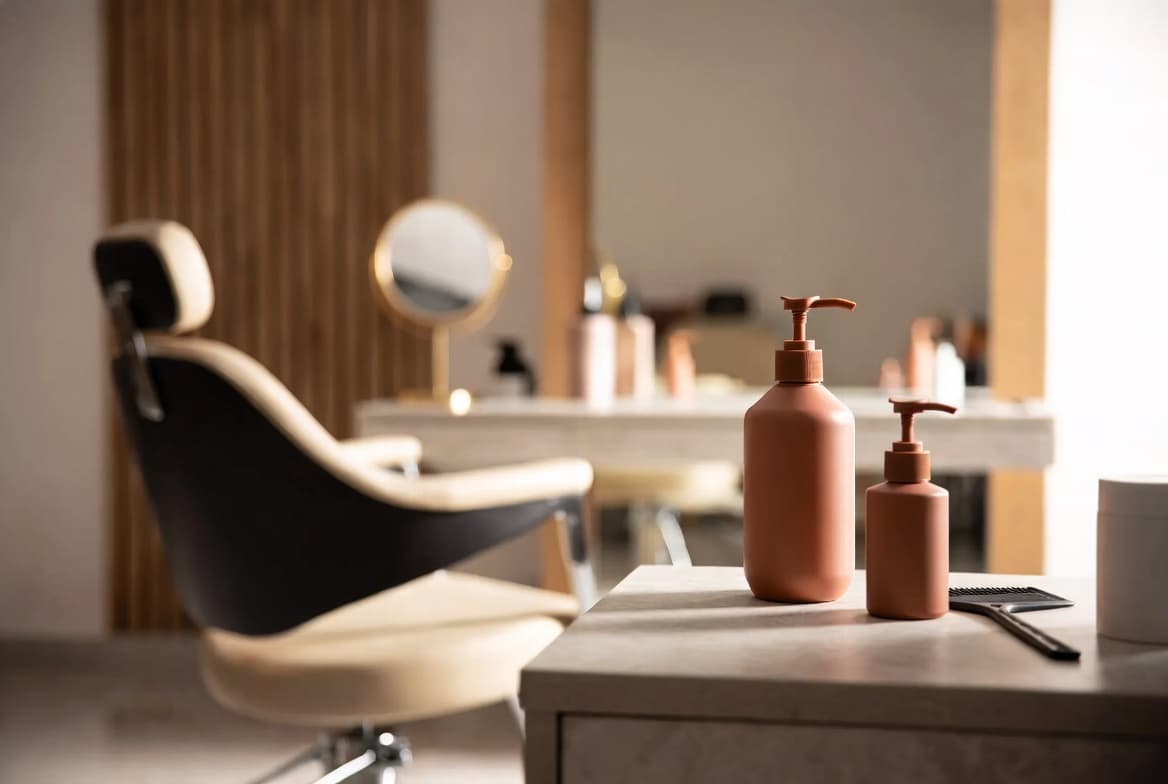
The honest answer to how much it costs to open a salon is: anywhere from $3,000 to $150,000, depending on which model you choose and where you choose to operate.
That range is so wide it sounds useless. It isn't. Each end of the range represents a real, viable model, and the difference between them is mostly about which fixed costs you're choosing to take on. Here is what goes into each tier, and which one fits which kind of operator.
The four main models
Most independent beauty businesses fit one of four startup models, each with a different cost structure.
Home studio. A converted spare room or basement in your own home. Lowest startup cost. Local zoning permits and home business regulations apply. Best for an owner who already has some clients, low overhead tolerance, and no plans to hire.
Booth rental. You rent a chair, table, or room inside someone else's existing salon. Pay weekly or monthly rent. Use their utilities and front desk. Common for hairstylists and nail techs starting out.
Salon suite. A small private suite in a multi-suite building (Sola Salon Studios, MY SALON Suite, etc.). Higher rent than booth rental, but you have your own space, sink, and door. Very common model for modern independents.
Leased commercial space. A standalone storefront you sign a lease on, build out, and operate. Highest cost and complexity. Best for owners with several years of experience, a strong client base, and plans to grow.
The cost differences come almost entirely from the build-out and the lease.
What each model actually costs
These are 2026 ranges in US dollars. Costs vary significantly by city.
Home studio: $3,000 to $10,000
- Local business license and home business permit: $50 to $500
- Equipment (chair, table, lighting, supplies): $1,500 to $5,000
- Small renovations (flooring, paint, dedicated sink if needed): $500 to $3,000
- Initial inventory (products): $500 to $1,500
- Insurance: $300 to $800/year
Booth rental: $2,000 to $8,000
- First month plus deposit: $400 to $2,500 (varies wildly by city)
- Personal equipment beyond what the salon provides: $500 to $3,000
- Initial inventory and supplies: $300 to $1,000
- Insurance: $300 to $800/year
- Business license: $50 to $500
Salon suite: $8,000 to $25,000
- First month plus deposit on suite (typical: $250 to $600/week, deposit equals one month): $2,000 to $5,000
- Outfit the suite: chair, table, mirror, decor, lighting: $3,000 to $10,000
- Initial inventory: $1,000 to $3,000
- Branding (signage, business cards, materials): $500 to $2,000
- Software and tools (booking, payment processing, accounting): $50 to $200/month
- Insurance: $400 to $1,000/year
- Marketing for opening (Google Business setup, opening promo, photos): $500 to $3,000
Leased commercial space: $40,000 to $150,000+
- First month, last month, security deposit on a commercial lease: $5,000 to $25,000+
- Build-out (plumbing for shampoo bowls, electrical, walls, flooring, finishes): $20,000 to $80,000
- Equipment (multiple stations, reception desk, retail displays, washer/dryer): $10,000 to $40,000
- Initial inventory: $3,000 to $10,000
- Branding and signage: $2,000 to $10,000
- Working capital (3 to 6 months of operating expenses before you break even): $15,000 to $50,000
Most first-time owners drastically underestimate the build-out and working capital lines, which is why so many salons that look successful from the outside are quietly drowning in their first eighteen months.
The hidden costs that catch new owners
A few categories that consistently surprise new owners.
Insurance. General liability is required everywhere. Professional liability is separately recommended. Both together run $300 to $1,000 a year for most independent operators. Don't skip this.
Permits and licenses. Beyond the state cosmetology license you already hold, you may need a local business license, a sales tax permit, a sign permit, an occupancy permit, and (in some cities) a separate beauty business permit. Each is $50 to $500. They are not optional.
Software. Booking, payment processing, accounting, email, possibly a website. $50 to $300 a month, ongoing. We covered what to look for in online booking.
Working capital. This is the most commonly underestimated line. You will not be profitable in month one. You may not be profitable for six months. Plan for three to six months of operating expenses (rent, software, supplies, insurance) sitting in your business account before you open the doors. Owners who skip this end up making decisions based on cash flow stress instead of strategy, which is how good businesses make bad choices.
Photography. A portfolio is essential for marketing. Quality photos cost $500 to $2,000 for an initial session. Phone photos work for ongoing content but the launch deserves real photography.
Repairs and replacements. Salon chairs need reupholstering. Steamers break. Sinks leak. Budget two to five percent of revenue annually for maintenance and replacements once you're operating.
Ongoing monthly costs
Startup is one number. Monthly operating costs are the more important number, because they determine how many appointments you need to break even.
For a typical salon suite operation:
- Rent: $1,000 to $2,400
- Software: $50 to $200
- Inventory restocking: $200 to $800
- Insurance (monthly equivalent): $30 to $80
- Marketing: $100 to $500
- Utilities (often included in suite rent): $0 to $200
- Misc supplies, processing fees, accounting: $200 to $500
Total: roughly $1,600 to $4,700 a month, depending on your model and city.
If your average service is $80, you need 20 to 60 appointments a month to break even before paying yourself. Realistic capacity for a solo operator is 60 to 120 appointments a month. The gap between break-even and capacity is your income.
This math is why the first hundred clients matter so much. Below that volume, the business operates at break-even. Above it, the business actually pays you.
Where to be intentional vs frugal
A few directional rules.
Don't be frugal on: your chair (you sit in it for 30+ hours a week), insurance, photography for your launch, software that prevents no-shows.
Be frugal on: decor that's nice-to-have, retail inventory before you know what your clients want, expensive branding agencies, social media courses, "salon business coaches" before you have actual clients.
Buy used: styling chairs (durable, often available secondhand), shampoo bowls, retail displays, mirrors.
Buy new: sterilizers and autoclaves, anything that touches a client directly, lighting, anything covered by warranty.
The right model for the right operator
A new graduate with no client base: booth rental. Lowest risk, fastest entry, learn the business while serving real clients in a built-out space.
A stylist with two to three years of experience and a small loyal client base: salon suite. Independence, your own brand, lower risk than a commercial lease.
An experienced operator with five-plus years and a strong reputation: a leased commercial space, if you have the working capital and the appetite for the operational complexity. Otherwise, a salon suite is still completely viable and many operators stay there indefinitely.
The home studio model is its own thing: best for an operator who already has a client base, wants the lowest possible overhead, and is comfortable with the trade-offs (zoning, marketing limitations, separating work and home).
There is no "real" salon model. The home studio that nets the owner $4,000 a month with $400 in overhead is more financially healthy than the commercial space that grosses $20,000 a month with $18,000 in overhead. Match the model to where you actually are.
Built for businesses like yours
Lumidara is the affordable scheduling and client platform for independent salons, nail studios, lash bars, and spas. Free to start. No credit card required.
See how Lumidara works