Solo Stylist vs Salon Suite: Which Model Is Right for You?
Booth rental, salon suite, or commercial space? A practical comparison of the four main models for independent stylists, with the honest trade-offs.
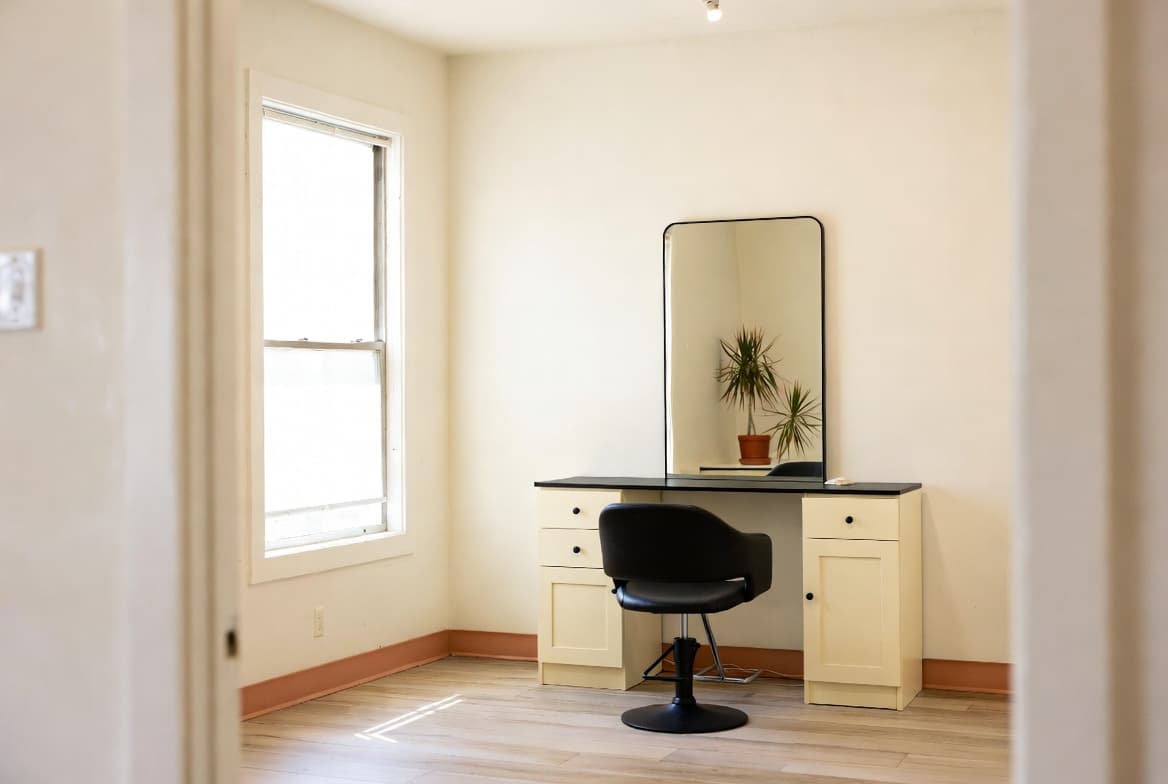
Most independent beauty pros face the same choice at some point: stay in a booth, move to a suite, or take on a leased commercial space.
There is no universal right answer. The model that fits a stylist with three years of experience and 80 regulars is different from the model that fits a new graduate with zero clients. The model that fits a quiet, low-overhead introvert is different from the model that fits someone who wants to build a brand.
Here are the real trade-offs of each, and the questions that point you toward the right answer for where you actually are.
The four options
Working as an employee. Not technically independent, but worth naming because many stylists move through this on the way to going independent. The salon owns the clients, sets the prices, controls the schedule. You get a paycheck and (often) benefits. Lowest risk, lowest ceiling.
Booth rental. You rent a chair or station inside someone else's salon. Pay a flat weekly rent. Use their utilities, often their front desk, sometimes their products. Set your own prices, keep your own clients. Medium risk, medium ceiling.
Salon suite. You rent a small private suite in a multi-suite building (the most common chains are Sola Salon Studios, MY SALON Suite, Phenix Salon Suites). Higher rent than a booth, but you have your own door, sink, decor. Full independence. Medium-high risk, high ceiling.
Leased commercial space. Your own storefront, your own lease, your own build-out. Highest startup cost, highest operational complexity, highest ceiling. Best for owners with established client bases who want to grow into a team.
Most independent operators stop at booth rental or salon suite. That isn't a failure mode. Many of the best small beauty businesses operate from a single suite forever.
What changes as you move up
Three things shift with each step up the ladder.
Independence. Booth rental: you set your prices and own your clients, but you operate inside someone else's business culture. Salon suite: full independence, no compromises on hours, decor, music, or service mix. Commercial space: total independence, but you take on the operational responsibility that comes with it.
Risk. Booth rental: rent is your only meaningful fixed cost. Walk away with a week's notice. Salon suite: you've signed a 6 to 12 month suite agreement, plus invested in fitting it out. Commercial space: you've signed a multi-year lease and spent tens of thousands on build-out. The walk-away option closes as you move up.
Income upside. A booth renter caps out at what they can personally produce in a week. A salon suite operator has the same personal ceiling, plus the ability to retain more profit because nobody else is taking a cut. A commercial space operator can grow into a team, which is the only way to scale beyond personal capacity.
When booth rental is right
You are early in your career. You don't yet have a reliable book of business. You want to learn the rhythm of independent work without committing to fixed costs.
A booth rental of $200 to $400 a week means your overhead is predictable and low. If you have a bad month, your downside is limited. The salon you rent from often provides foot traffic, front desk support, and a built-out environment. You're paying for that.
The trade-off: you operate inside someone else's culture. Their hours, their playlist, their dress code (sometimes), their decisions about which clients to accept. Some salons are great booth rental environments. Some are stifling. Talk to current booth renters before signing.
Many stylists stay in booth rental indefinitely and do well. It is a real model, not a stepping stone.
When a salon suite is right
You have at least one to two years of independent client-building. You have 30 to 60 regulars who follow you wherever you go. You want full control over your environment and your business.
A salon suite is $250 to $600 a week depending on the city and the building. Higher than booth rental, but you are paying for full independence: your own space, your own door, your own brand on the wall.
The math works when your client base is large enough to fill the suite. With 50 to 80 active clients, you can fill 20 to 30 appointments a week, which more than covers the rent and leaves a real income.
The suite model has become the dominant choice for modern independent operators for good reasons: you get the upside of running your own business without the operational complexity of a commercial lease.
The catch: you are isolated. There is no front desk, no coworkers, no shared environment. Some stylists love this. Some find it lonely. Know which kind you are before you commit.
When a commercial space is right
You have five-plus years of experience. You have a strong, loyal client base. You want to grow into a team of two to five stylists. You have working capital for six to twelve months of overhead.
A commercial space takes you from solo operator to small business owner. You are now responsible for hiring, training, scheduling, payroll, tax compliance for employees, equipment maintenance for a full salon, marketing for a brand, and everything else that comes with managing a physical retail location.
The ceiling is much higher. Three productive stylists in a well-run space generate three to four times the revenue of a solo operator. But your time shifts. You spend less time behind the chair and more time running the business.
If you don't want to manage people, do not take on a commercial space. The financial upside is not worth the operational misery for someone who enjoys the craft more than the management.
The questions that point to the answer
Five questions, in order.
How many clients do you have right now? Below 20 active clients, stay in booth rental or build the client base before doing anything else. Between 20 and 60, a salon suite starts to make sense. Above 80 with strong rebooking, a salon suite is comfortable and a commercial space is plausible.
How much working capital do you have? Below $10,000, a commercial space is not realistic. Between $10,000 and $30,000, a suite is the right ceiling. Above $30,000, a commercial space becomes plausible if other signals are right.
Do you want to manage people? If the answer is no, do not pursue a commercial space, regardless of the math. The financial upside requires team management, and team management is most of the job.
How important is operational independence to you? Some stylists are happy in a booth rental forever because the structure suits them. Some find the constraints unbearable after six months. Be honest with yourself.
What does growth look like for you in five years? "Same as now but with better clients and higher prices" is a great answer and points to a suite. "Three stylists in a space I own" points to commercial. "Less work, more income" is suite or possibly a home studio. Match the model to the trajectory.
The model is not the brand
The most common mistake is treating the model as the identity. "I'm a suite owner" or "I'm a salon owner" becomes part of how you describe your work, and then you start optimizing for the model instead of the outcome.
The model is a logistical choice. What clients actually care about is your skill, your reliability, and how you make them feel. Whether you're in a booth, a suite, or a commercial space barely registers. They notice if your space is clean, if you remember them, and if their hair (or nails, or lashes) looked great when they left.
Pick the model that lets you do the work well at a sustainable cost. Revisit the choice every two or three years. There is nothing wrong with moving down the ladder if a larger space stopped serving you. Some of the most successful independent operators downsized intentionally because the simpler model fit their life better.
For more on the startup cost picture across each model, see how much it costs to open a salon in 2026.

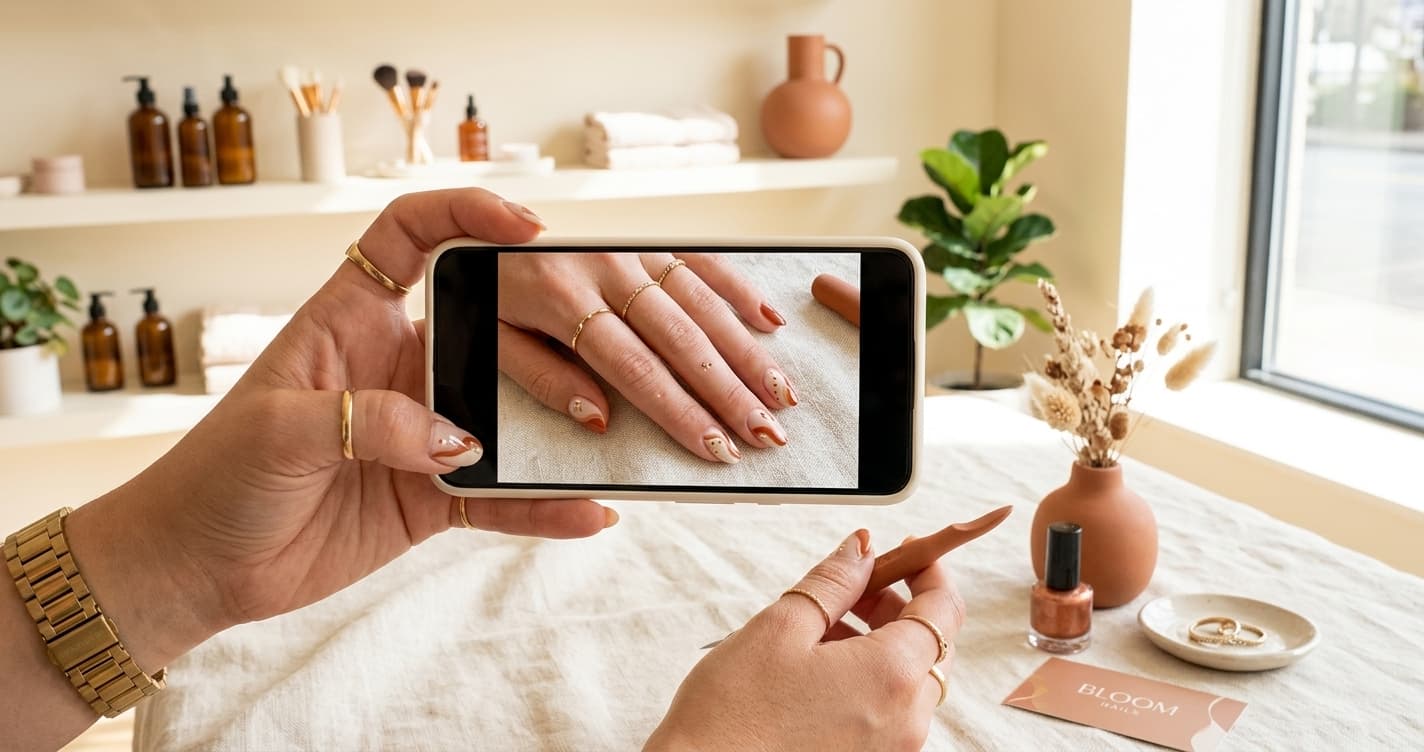
Built for businesses like yours
Lumidara is the affordable scheduling and client platform for independent salons, nail studios, lash bars, and spas. Free to start. No credit card required.
See how Lumidara works