Memberships and Packages: Building Recurring Revenue for Your Salon
Packages and memberships smooth out cash flow and lock in return visits. Here's how to structure them so they help your business instead of eroding margin.
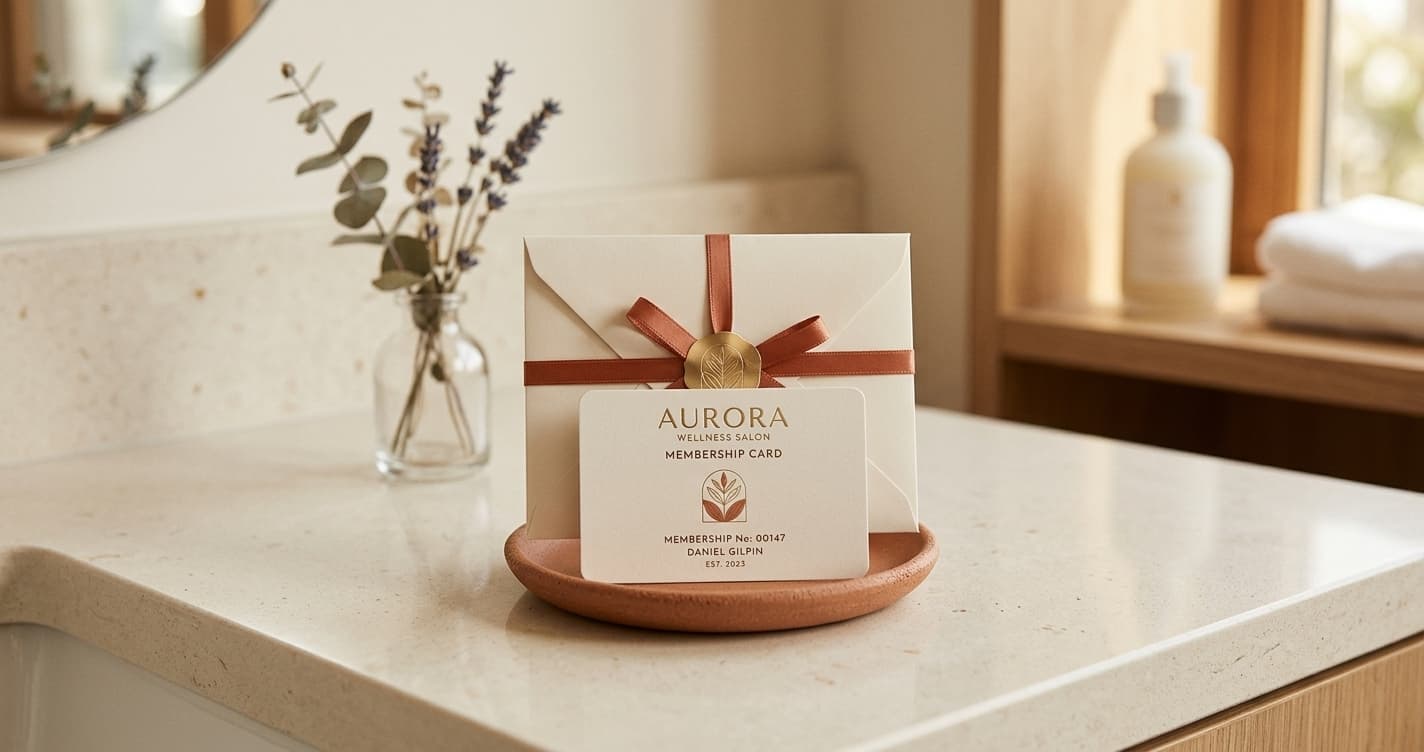
Most beauty businesses live on one-off appointments. The client books when they think of it, pays for that visit, and the next visit is uncertain until it happens. That model works, but it leaves two things on the table: predictable cash flow, and committed future visits.
Packages and memberships address both. A prepaid package converts an uncertain future booking into money in the bank today and a client who is motivated to return because they have already paid. A membership does the same on a recurring basis.
Structured well, these are among the most powerful retention and cash-flow tools available to a small business. Structured badly, they just hand discounts to clients who would have paid full price anyway. Here is the difference.
Packages versus memberships
The two get lumped together but work differently.
A package is a prepaid bundle of visits, usually at a modest discount for buying several at once. "Buy five fills, get the sixth included." The client pays up front and draws down the visits over time. It is a one-time transaction that locks in future bookings.
A membership is a recurring commitment, usually monthly, in exchange for a set of benefits: a certain number of services, a discount on additional services, member perks, or priority access. The client is billed automatically each month and receives ongoing value.
Packages suit services with a natural repeat cycle where the client is already committed to the service but not to you specifically. Memberships suit businesses that can offer ongoing value and want the predictability of recurring revenue. Many businesses use packages first, because they are simpler, and add memberships later once they understand their economics.
Why they work
Three real benefits, beyond the obvious.
Cash flow. Money up front is worth more than money later. A prepaid package gives you capital now, which smooths the lumpy income that plagues service businesses and is especially valuable heading into a slow period. This alone justifies packages for many operators.
Commitment. A client who has prepaid is a client who comes back. They have money invested with you, and the mild psychological pull of not wasting it brings them in more reliably than any reminder. This is the same mechanism behind loyalty programs, amplified because real money is involved.
Lifetime value. A client on a package or membership has effectively decided to keep coming for a stretch. That decision, made once, produces multiple visits that you did not have to win one at a time. It converts the exhausting work of rebooking into a single up-front commitment.
How to structure a package without giving away margin
The mistake that ruins packages is over-discounting. If the package price is so low that it just hands your most loyal clients a big discount on visits they would have made anyway, you have reduced your revenue for no gain.
The discount should be modest, framed as a thank-you for the commitment rather than a markdown. A common structure is buy several, get a partial or full one included, which works out to a small percentage off. The client perceives real value (a "free" visit is emotionally compelling) while your effective discount stays small.
Anchor the math on incremental commitment, not on the discount. You are paying a small amount to convert an uncertain string of future bookings into a certain, prepaid one. That is worth a little margin. It is not worth a lot.
Keep the terms simple and fair. A reasonable expiration (long enough that the client can realistically use the visits, generous enough that it does not feel like a trap) prevents packages from becoming an open-ended liability while not souring the client. Avoid heavy restrictions, which turn a nice offer into fine print, the same way they undermine loyalty rewards.
When memberships make sense
Memberships are more powerful and more demanding. They work when you can deliver ongoing value that justifies a recurring charge, and when your services suit a regular cadence.
A membership might include one service a month plus a discount on additional services, or a bundle of benefits (a monthly service, member pricing on retail, priority booking). The client pays monthly, automatically, and you get predictable recurring revenue.
The requirements are real. You need reliable recurring billing. You need to consistently deliver the value, month after month, or members churn and feel cheated. And you need enough committed clients for the model to matter. Memberships reward businesses with a strong, loyal base and punish businesses that launch them before the loyalty is there.
Do not launch a membership as a way to create loyalty. Launch it once you have loyal clients who would value a formalized ongoing relationship. The sequence matters.
Pricing the recurring commitment
Whether package or membership, the price has to work for both sides.
For the client, the price needs to feel like a genuine benefit over paying per visit, or there is no reason to commit. For you, it needs to protect margin while accounting for the value of the commitment and the cash flow.
Model it honestly before you launch. What does the client pay over the commitment period? What would they have paid per visit? What is your effective discount, and what are you getting in return (cash flow, committed visits, reduced rebooking effort)? If the trade favors you once you account for the commitment, it is a good structure. If you are simply discounting loyal clients, it is not.
The same discipline from pricing your services applies: price the commitment deliberately, not by copying what another salon does.
Who to offer it to
Packages and memberships are for your committed clients, not your first-timers.
Offering a package to a client on their first visit is premature. They do not yet know if they like your work, and you do not yet know if they are a good fit. The natural moment is once a client has become a regular and clearly intends to keep coming. At that point, a package or membership formalizes a commitment they have already effectively made, which is exactly when it benefits both sides.
This makes packages a retention tool for your middle and core clients rather than an acquisition tool. Trying to use them to win new clients usually attracts deal-seekers rather than loyal regulars.
Keep it simple to start
The failure mode, as with loyalty programs, is overcomplication. Do not launch three membership tiers, two package sizes, and a web of rules on day one.
Start with one clear package, or one clear membership, structured simply enough that a client understands it in a sentence and you can administer it without a spreadsheet full of exceptions. Watch how it performs. Learn who buys it and how they use it. Then expand only if there is real demand for more options.
A single well-designed package that a meaningful share of your regulars buy is worth far more than an elaborate menu that confuses everyone. Recurring revenue is built on clarity and consistency, not on cleverness.
Offered to the right clients, priced with discipline, and kept simple, packages and memberships turn the uncertain future income of a service business into something steadier and more predictable, while deepening the commitment of the clients who already love your work. For the broader retention picture they sit within, see the difference between a loyal client and a repeat client.


Built for businesses like yours
Lumidara is the affordable scheduling and client platform for independent salons, nail studios, lash bars, and spas. Free to start. No credit card required.
See how Lumidara works