Loyalty Reward Ideas That Actually Bring Clients Back
A loyalty program is only as good as its rewards. Here are reward ideas that motivate return visits, and the ones that quietly fall flat.
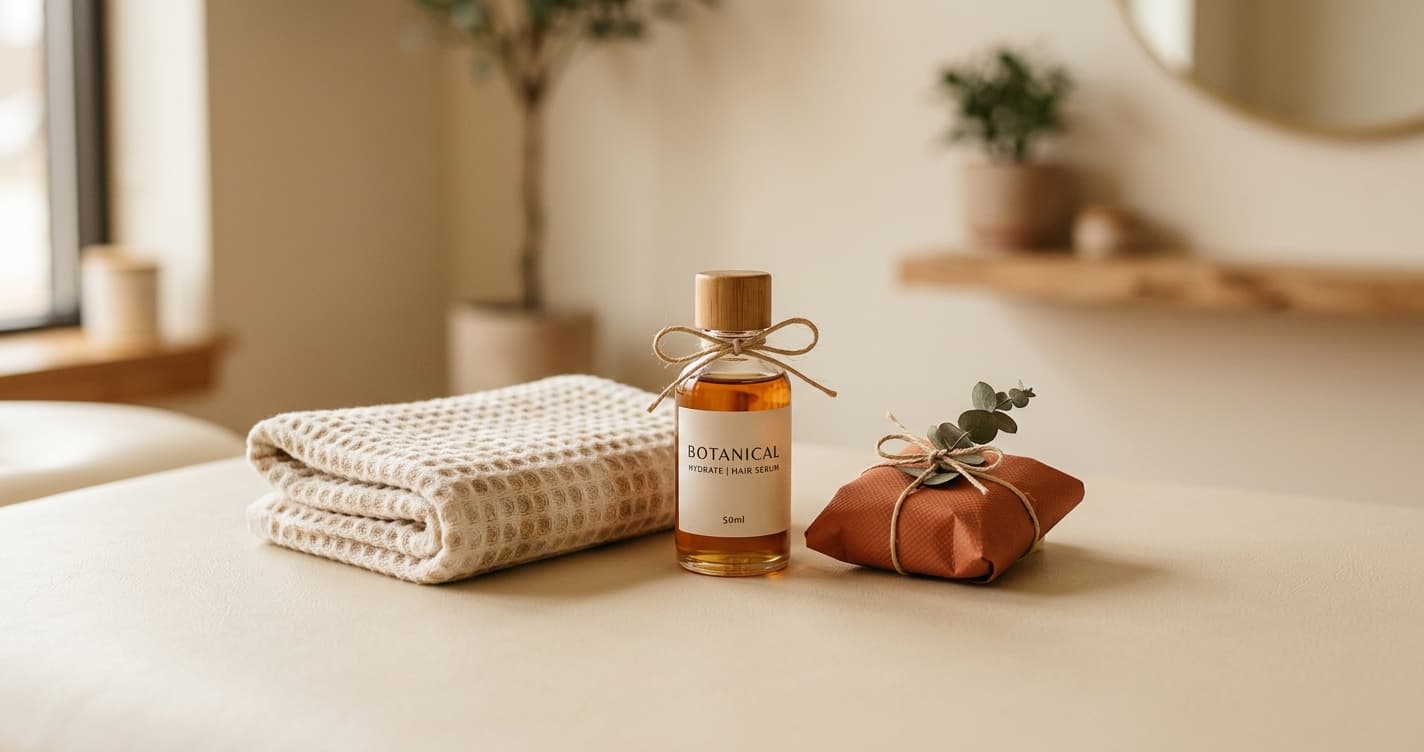
The mechanics of a loyalty program are the easy part. Points per dollar, a threshold, a reward. We covered how to set that up simply in how to launch a loyalty program.
The rewards themselves are where most programs quietly fail. Too small and nobody bothers chasing them. Too complicated and nobody understands them. Too generous and you cannot sustain them. Getting the rewards right is what turns a technically functional program into one that actually changes behavior.
Here is what works, what falls flat, and how to choose for your specific business.
What a reward has to do
A good reward clears three bars at once.
It has to feel worth earning. If the reward is trivial relative to the effort, clients ignore the program. A dollar off after ten visits is not motivating. Nobody changes their behavior for it.
It has to be easy to understand and redeem. A reward buried under conditions, blackout days, and exclusions creates friction and resentment. The client should be able to picture exactly what they are working toward and claim it without a negotiation.
It has to be sustainable for you. A reward so generous that it erodes your margin is a program that either gets quietly cancelled or makes you resent your best clients. The math has to work at the volume your loyal clients actually redeem.
The best rewards are the ones that feel generous to the client while costing you less than the perceived value. That gap is where a smart reward lives.
Service upgrades: the strongest category
The single best reward type for most beauty businesses is a service upgrade or add-on, because the perceived value to the client is high while the actual cost to you is mostly time you can schedule around.
A few that work well:
- A complimentary add-on treatment (deep conditioning, a mask, a scalp massage, a paraffin dip)
- An upgrade from a standard service to a premium version
- A complimentary nail art design or accent
- An add-on that showcases a service the client has never tried and might buy later at full price
The genius of upgrade rewards is that they cost you a few minutes and a little product, feel like a genuine treat to the client, and often introduce them to something they then start paying for. A client who redeems points for a treatment they had never tried, and loves it, becomes a client who books it at full price next time.
Free or discounted services: simple and motivating
The most straightforward reward is a free or discounted service at a threshold. It is easy to understand and clearly worth earning.
The key is setting the threshold so the reward is reachable in a sensible number of visits. A free service after a client has spent enough to more than cover its cost is sustainable. A free service that arrives too easily is a margin leak. Do the math on what a redemption actually costs you at your average spend, and set the threshold so the program pays for itself in incremental visits.
A dollar-value discount ("$15 off at 300 points") is the most flexible version, since the client applies it to whatever they want. It is slightly less exciting than a specific free treat, but it never feels irrelevant, which a fixed reward occasionally does.
Product rewards: use with care
Redeeming points for retail product can work, especially if you sell product you believe in. It moves inventory, introduces clients to products they then repurchase, and feels tangible.
The caution is margin. Product has a hard cost you cannot recover with scheduling the way you can with a service upgrade. A free product reward is real money out the door. If you use product rewards, price the threshold to account for the actual cost, and favor products that lead to repurchase.
Experiential and milestone rewards: the memorable ones
Beyond the standard menu, a few reward types punch above their weight because they feel personal rather than transactional.
Milestone recognition. A small reward at a client's tenth visit, or their one-year anniversary with you. It costs little and lands hard, because it says you noticed. This pairs naturally with birthday perks, which work on the same principle: being remembered matters more than the dollar value.
Early or priority access. For a fully booked operator, priority booking access for loyal clients is a reward that costs you nothing and is genuinely valuable to the client. A window to book before slots open publicly, or first refusal on a cancellation, rewards loyalty with the one thing your best clients actually want: your time.
A surprise upgrade. Occasionally giving a loyal client an unannounced upgrade "just because" is not a structured reward, but it generates enormous goodwill and word of mouth. Not every reward needs to be in the program. Some of the most powerful ones are spontaneous.
What falls flat
The rewards that consistently disappoint.
Rewards that are too small. A tiny discount after many visits reads as an insult rather than a thank-you. If the reward is not worth the client's attention, the program is not worth running.
Rewards loaded with conditions. "Valid Tuesdays only, on services over $80, excluding color, cannot combine with other offers." Each condition erodes the goodwill the reward was supposed to build. A reward with fine print is a coupon, and clients treat it like one.
Rewards that expire aggressively. Points that vanish before a client can use them generate resentment, not urgency. If you must expire points, be generous about it and clear in advance. Most small businesses are better off not expiring them at all.
Rewards nobody understands. If explaining the reward takes more than a sentence, it will not drive behavior, because clients only pursue rewards they can clearly picture.
One-size rewards in a business with wide price variance. If your services range from $30 to $300, a single flat reward feels great to your low spenders and trivial to your high spenders. A points-per-dollar structure with a proportional reward handles this automatically, which is part of why it beats punch cards. See points vs punch cards.
Matching rewards to your business
There is no universal best reward. The right one depends on your economics.
High-margin, time-flexible services (many nail, lash, and treatment services) favor upgrade and add-on rewards, since your main cost is schedulable time.
Lower-margin or product-heavy businesses favor service discounts over free product, to protect margin.
Fully booked operators should lean on priority access and upgrades rather than discounts, since discounting demand you already cannot meet is pure margin loss.
Businesses still building volume can afford more generous rewards to drive the return visits that build the book in the first place.
Start with one clear, generous-feeling, sustainable reward. Watch your redemption rate. If almost nobody redeems, the reward is too small or too far away. If everybody redeems immediately and it hurts, it is too generous. Adjust once, then leave it alone.
The goal is not to dazzle clients with an elaborate rewards catalog. It is to give them one clear, appealing reason to come back to you instead of the salon down the street, at a cost you can sustain for years. For the broader strategy behind all of this, see loyalty programs for nail salons: a plain-English guide.
Built for businesses like yours
Lumidara is the affordable scheduling and client platform for independent salons, nail studios, lash bars, and spas. Free to start. No credit card required.
See how Lumidara works