How to Sell Retail Products at Your Salon Without Feeling Pushy
Retail can add real income to a salon, but most stylists hate selling. How to recommend products honestly, choose what to stock, and avoid dead inventory.
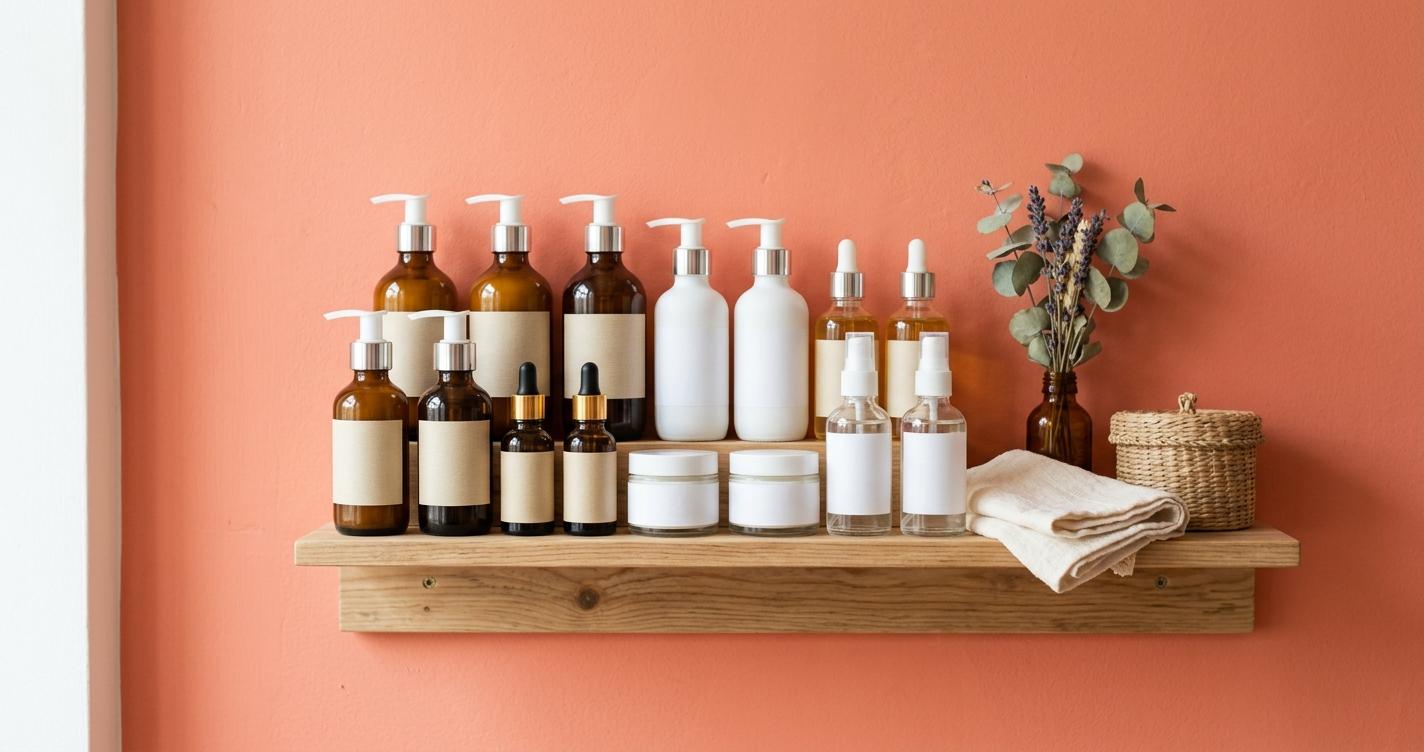
Most beauty professionals did not get into the industry to sell products. Retail can feel like the uncomfortable part of the job: a shelf of bottles at the front, a quota hanging over you, and a feeling that recommending anything is pushy.
But retail done well is not pushy at all. It is a natural extension of the service. You just spent an hour with a client's hair, skin, or nails. You know what will help them. Telling them is part of looking after them.
Why retail is worth doing
It extends your results. A client using the right shampoo keeps her color vibrant longer. A client using the right cuticle oil keeps her manicure looking fresh. Better results mean happier clients.
It is income without extra chair time. Retail adds revenue to an appointment you are already doing.
It keeps you top of mind. Every time a client uses a product you recommended, she thinks of you.
It is especially timely in November and December, when clients are shopping for gifts and stocking up for themselves.
Recommend, do not pitch
The difference between pushy and helpful is whether the recommendation is about the client.
Pushy sounds like: "We have a special on this serum this month."
Helpful sounds like: "Your hair is a little dry at the ends. I used this leave in today. If you want to keep that softness between visits, a small amount after washing will really help."
The second version is specific to the client, explains why, and connects to something she already experienced in the chair. It is advice, not a sales pitch. Most clients appreciate it, and many will buy because they trust you more than any advertisement.
Match recommendations to the service
The most natural recommendations follow directly from the work you just did. A few examples by service:
- Color: a sulfate free shampoo and a heat protectant keep color from fading and the ends from drying out. "This is what keeps that tone from going brassy."
- Gel or natural nails: cuticle oil and a good hand cream are the two products that most visibly extend a manicure. Both are inexpensive, which makes them an easy first purchase.
- Lashes: a lash cleanser and a spoolie brush are close to essential for retention, and clients who use them come back with fuller fills.
- Facials: a gentle cleanser or a moisturizer matched to what you saw in the treatment room, rather than a full routine overhaul.
- Brows: a tinted gel or a brow serum that supports the shape you just created.
Notice that every one of these protects the result of the service. That is the easiest sale there is, because the client already wants the result to last. If you write aftercare instructions for your services, mention the relevant product there too, as a suggestion rather than a requirement. We covered aftercare in why aftercare instructions keep clients coming back.
Use products during the service
The easiest way to sell a product is to let the client experience it. Use what you recommend during the service, mention what it is, and let her feel the difference.
"This is the cuticle oil I was telling you about" while you apply it does more than any display. By the time you mention it at checkout, she already knows she likes it.
Stock less than you think
The most common retail mistake is overbuying. A wall of products looks impressive and ties up cash in inventory that may sit for months or expire.
Start small:
- Choose a handful of products you genuinely use and believe in
- Focus on the items most relevant to your most popular services
- Buy in small quantities and reorder what actually sells
A focused selection is easier to recommend and easier to manage. It also signals curation: you only stock what you would use yourself.
Make it easy to buy
Small practical things help retail sales:
- Display products where clients wait or check out, at eye level, with prices clearly visible
- Offer travel or trial sizes where possible, so clients can try without committing
- Keep a short note of each client's purchases so you can ask how it worked at the next visit
- Mention restocking when it is genuinely time: "You are probably running low on that conditioner by now"
Never let retail affect the service
Clients should never feel that buying products is expected or that not buying changes how they are treated. A recommendation offered once, warmly, is enough. If the client says no, drop it completely. Trust is worth far more than any single sale.
Track it properly
Retail has different economics from services. Track:
- Product cost and selling price, so you know your margin
- What sells and what sits
- Retail revenue separately from service revenue
In many places, retail sales also require collecting sales tax, which services may not. Check the rules where you operate and keep retail records clean.
Retail as gifts
During the holidays, small curated product bundles make easy gifts. A "best sellers" set or a "keep your color glowing" kit is something a client can grab as a present without much thought. Pair this with gift cards and you have two easy ways for clients to give the gift of your studio.
The short version
Recommend only what genuinely helps the specific client. Let them try it during the service. Stock a small, focused selection. Make buying easy and never pressured. Retail done this way does not feel like selling. It feels like the advice clients came to you for in the first place.

Built for businesses like yours
Lumidara is the affordable scheduling and client platform for independent salons, nail studios, lash bars, and spas. Free to start. No credit card required.
See how Lumidara works