Selling Gift Cards at Your Salon: How to Make Them Work All Year
Gift cards bring in new clients, cash up front, and holiday revenue. How to price, sell, track, and redeem them without creating headaches later on.
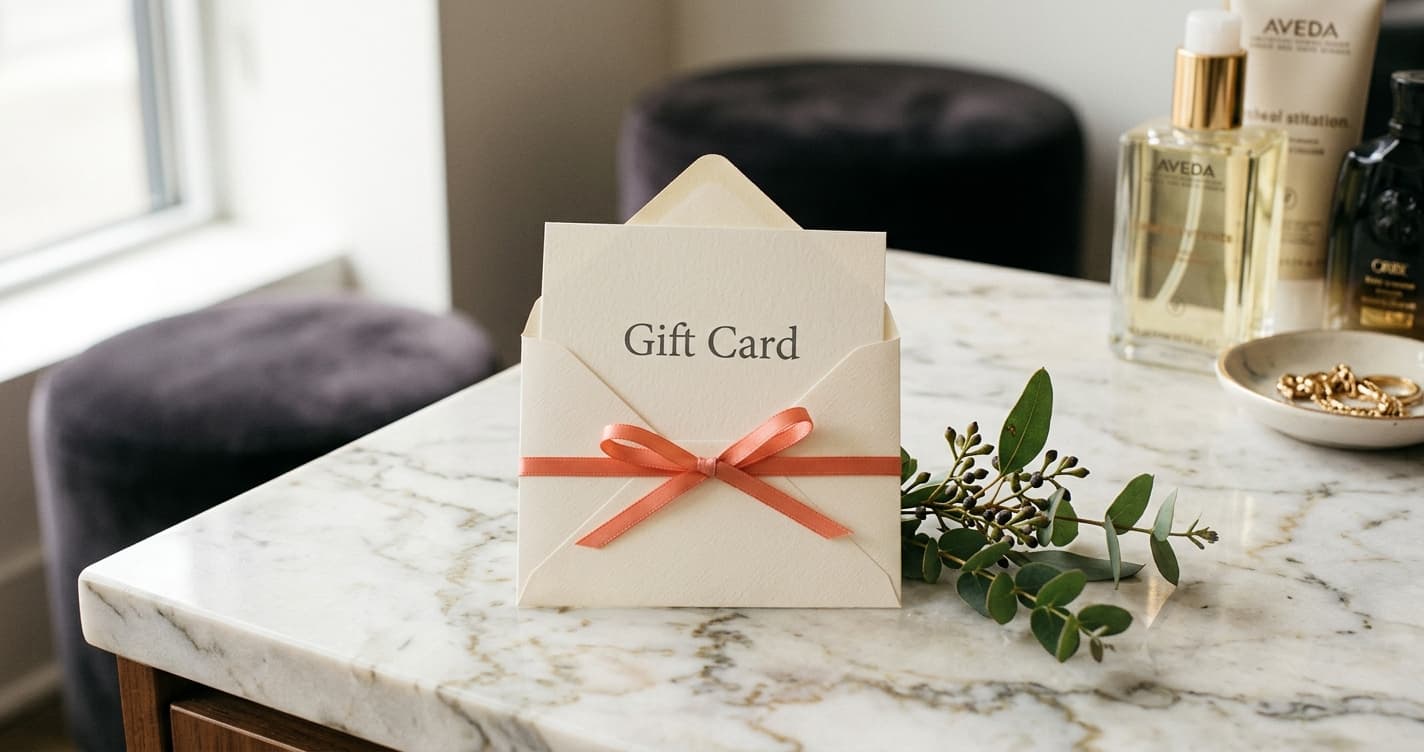
Gift cards are an odd and wonderful product. The person who pays is usually not the person who comes in. The money arrives weeks or months before the service. And the recipient is very often someone who has never been to your studio.
That combination makes gift cards one of the best acquisition tools a small beauty business has, especially in the weeks before the holidays. Here is how to sell them well and avoid the problems that show up later.
Why gift cards are worth the effort
They bring new clients through the door. Your regular buys a card for her sister. The sister comes in, has a great experience, and becomes a regular herself. You did not pay for an ad. Your existing client did the marketing for you.
They bring cash forward. Holiday gift card sales arrive in November and December and are often redeemed in January and February, which are slow months for many studios. That smooths out the year in a way few other tools can.
They are a gift your regulars want to give. Clients who love you are proud to recommend you. A gift card turns that pride into something they can wrap.
Physical, digital, or both
Physical cards feel like a real present. They suit walk in purchases and clients who want something to put under a tree. They need a simple tracking system, since a card is only as good as your record of it.
Digital gift cards can be bought from your website or booking page at midnight, delivered by email, and tracked automatically. They suit last minute gift buyers, which in December is most of them.
Most studios do best offering both: a nicely printed card at the front desk, and a digital option for everyone shopping online.
Price them in dollars, not services
It is tempting to sell "one gel manicure" as a gift. Avoid it. Prices change, services get renamed, and a card for a specific service bought at last year's price becomes awkward when this year's price is higher.
Sell dollar values instead: $50, $75, $100, $150. The recipient applies the value to whatever they want, and any price change simply means they top up the difference. If you want the feel of a service gift, add a note on the card: "Enough for a gel manicure with nail art."
Offer amounts that line up with your popular services, so the recipient can actually book something without paying much extra. A $25 card for a studio whose cheapest service is $60 is more frustrating than generous.
Know the rules where you operate
Gift cards are regulated in many places, and the rules are usually there to protect the buyer. In the United States, for example, federal rules generally prevent gift cards from expiring within five years of purchase, and many states go further. Some places also have specific rules about unredeemed balances.
Check the rules for your state or province before you print anything. Avoid expiry dates and inactivity fees unless you are certain they are allowed, and even then, consider whether they are worth the goodwill they cost. Most studios simply make cards never expire.
Track every card
The biggest operational risk with gift cards is losing track of them. A client arrives with a card from two years ago, and nobody knows if it was used.
At minimum, record for each card:
- A unique card number or code
- The value and the date sold
- The buyer's name, and the recipient's if you know it
- Each redemption and the remaining balance
A simple spreadsheet works at low volume. A digital gift card tool that issues codes and tracks balances automatically is worth it once you are selling more than a handful a month.
Remember that sold gift cards are money you owe as future services, not money you have earned yet. Keep that in mind for your bookkeeping and your cash planning, especially if a large holiday season's worth of cards comes in at once.
Sell them actively, not just at the counter
Gift cards rarely sell themselves. A few habits that help:
- Mention them at checkout from early November. "If you are looking for gifts, we have gift cards at the desk and online."
- Put a link on your booking page and social profiles, so clients can buy without asking.
- Post about them a few times in the weeks before the holidays, and again before Valentine's Day and Mother's Day.
- Display a physical card where clients wait. People buy what they can see.
If you want a seasonal push, add value rather than discounting: "Buy a $100 card, get a $20 bonus card for yourself." The bonus is usually redeemed by the buyer in the new year, which brings her back during the quiet months. We covered this approach in seasonal promotions that actually work.
Make redemption a great first impression
The recipient's first visit is a first impression for someone who did not choose you. They chose to accept a gift. Treat that visit the way you would treat any first-time client: a proper consultation, a warm welcome, and a clear plan for their next visit.
This is where the gift card turns into a regular client or does not. Rebook them before they leave, and if you run a loyalty program, enroll them on the spot so their first visit already counts toward something. The full first visit playbook is in how to turn a first-time client into a regular.
Thank the buyer
The person who bought the card just sent you a new client. Thank them. A quick note when the recipient books ("Your sister came in today, thank you for sending her our way") makes the buyer feel good and makes it more likely she does it again next year.
If you run a referral program, consider counting gift card recipients who book as referrals from the buyer. It is the same behavior, wrapped in ribbon.
A simple plan for this season
- Decide on your card amounts and design, physical and digital.
- Check your local gift card rules and set your terms.
- Set up tracking before you sell the first card.
- Start mentioning cards to clients in early November.
- Treat every redemption as a first visit, and rebook it.
Gift cards are the rare marketing tool that pays you first and works for you later. Set them up properly once, and they will keep bringing you new faces every holiday season.


Built for businesses like yours
Lumidara is the affordable scheduling and client platform for independent salons, nail studios, lash bars, and spas. Free to start. No credit card required.
See how Lumidara works