How to Turn a First-Time Client into a Regular
The first visit decides whether a new client ever comes back. Here's the playbook for converting a one-time booking into a standing relationship.
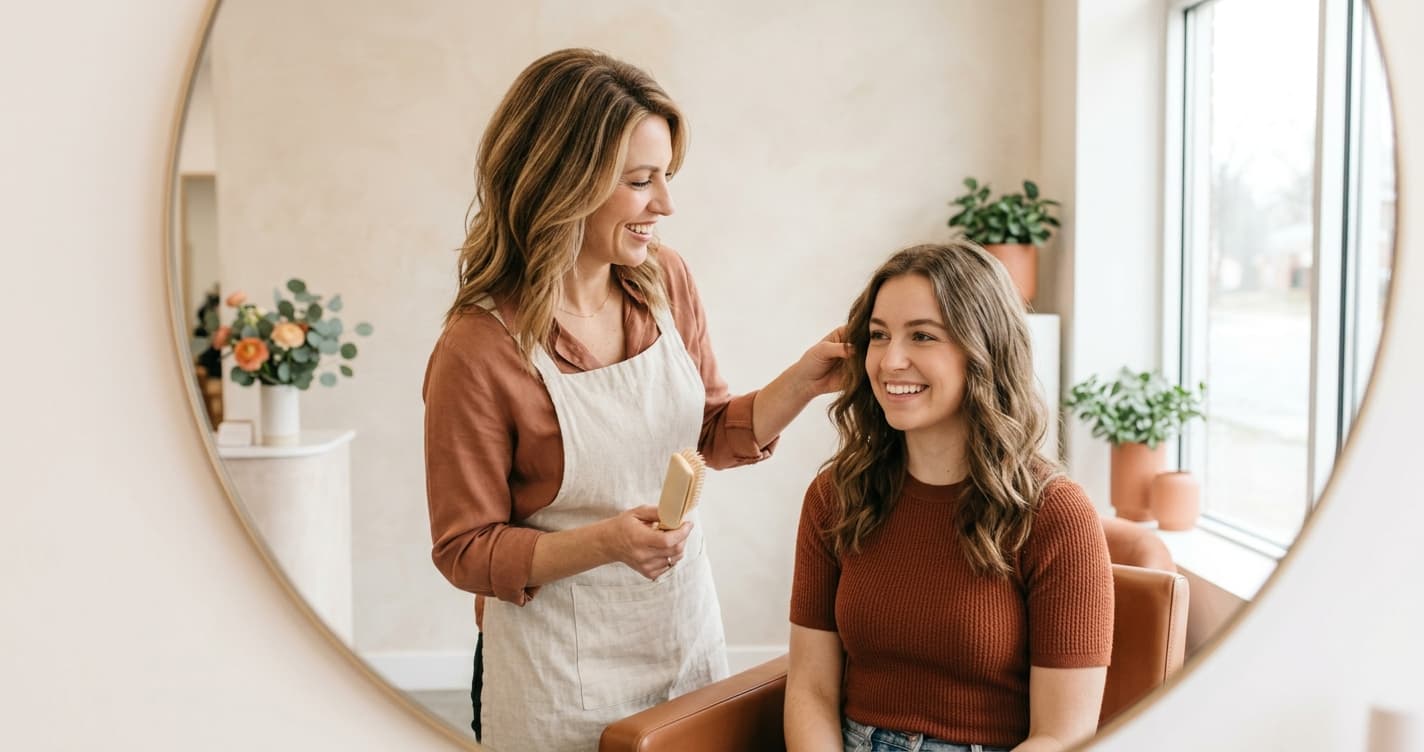
Acquiring a new client is expensive and hard. Keeping one is cheap and easy by comparison. Which is why the first visit is the highest-stakes appointment you will ever do with someone: it decides whether all the effort of acquiring them turns into a years-long relationship or a single transaction.
Most owners treat the first visit like any other appointment. The ones with strong retention treat it as a distinct event with its own playbook. Here is that playbook.
The first visit is a different appointment
A regular client arrives already trusting you. A first-time client arrives uncertain. They do not know if you will understand what they want, whether the result will be worth the money, or whether they will feel comfortable in your space. They are evaluating everything, often subconsciously.
That means the first visit has a job beyond delivering the service. Its job is to resolve the uncertainty in your favor, so decisively that booking again feels obvious. Get that right and the second visit is nearly automatic. Get it wrong, even with technically good work, and they drift, because nothing pulled them back against the friction of habit.
Before they arrive
Retention starts before the client walks in.
A new client who booked online should get a warm confirmation that does more than state the time. A sentence of genuine welcome, what to expect, where to park or how to find you, and how long to allow. This does two things: it reduces the anxiety of going somewhere new, and it signals that you are organized and attentive before they have even met you.
If your booking captured any preference or note, glance at it beforehand. Walking in already knowing something about why they booked turns a cold start into a warm one.
The consultation is the whole game
The most common reason a first visit disappoints is not skill. It is a mismatch between what the client wanted and what they got, born of a rushed or skipped consultation.
Slow down at the start. Ask what they are looking for, what they have had before, what they liked and did not like, what they are hoping for this time. Listen more than you talk. Repeat back what you heard so they know you understood. Manage expectations honestly if what they want is not achievable in one visit.
This conversation is where trust is built or lost. A client who feels genuinely heard forgives small imperfections, because they know you were trying to give them what they asked for. A client who felt rushed judges the result harshly, because they are not sure you ever understood the goal.
During the visit
A few things distinguish a first visit that converts.
Use their name, and remember details. People feel the difference between being served and being seen. Note the personal things they mention, the trip, the job, the reason for the new look, and engage with them as a person.
Explain what you are doing. A first-time client does not know your process. Narrating it lightly ("I am going to do X because it will help with Y") builds confidence and teaches them why your work is worth the price.
Read their energy. Some clients want conversation. Some want quiet. Misreading this is a small thing that leaves a surprisingly large impression. When in doubt, follow their lead rather than filling the silence.
Deliver a small unexpected extra. A quick add-on, a scalp massage, a bit of education about maintaining the result at home. Something that costs you little and signals that they got more than they paid for. This is the same logic as a first-visit perk: add value rather than discount.
The end of the visit decides the next one
The close is where retention is won, and where most owners simply say thank you and let the client leave.
Show them the result and make sure they love it. Do not assume. Ask. If something is not quite right and it is fixable in the moment, fix it. A client who leaves with a small unspoken disappointment does not come back and does not tell you why.
Give them the maintenance plan. Tell them how to care for the result and when they will need to return. "This will look best if you come back in about four weeks" plants the rebooking window naturally and frames the return as part of getting the result they paid for.
Rebook right there. This is the single highest-leverage retention action, and it belongs in the first visit above all others. "Want me to get your next appointment on the calendar while you are here?" The client is happy, they are in front of you, and the friction of booking later is exactly what loses first-timers. We covered the mechanics in why salon clients ghost you. The ones who leave without a next appointment are the ones most likely to vanish.
After the first visit
The follow-up after a first visit matters more than after any other, because the relationship is not yet established.
A short thank-you message the next day, checking that they are happy with the result and inviting them to reach out if anything needs adjusting, does real work. It catches small problems before they become silent churn or a bad review, and it signals a level of care that most businesses do not bother with.
If they did not rebook at the chair, a well-timed nudge a few weeks later, at their natural return window, recovers a share of them. See how to write a rebooking message. The first-visit follow-up is where a one-time client either becomes a repeat client or fades, and a little attention here pays off for years.
Enroll them in whatever brings people back
The first visit is the natural moment to fold the client into your retention systems.
If you run a loyalty program, this is when they start earning, and telling them so gives them a reason to return. If you collect birthdays, this is when to capture it. If you have a client portal where they can see their history and rebook easily, this is when to point them to it.
None of this should feel like a sales pitch. It is simply setting up the mechanisms that make coming back easy and rewarding, at the one moment the client is most receptive.
From regular to loyal
Converting a first-timer to a second visit is the hard part. But a second visit is not yet loyalty. The relationship deepens over the next several visits, through consistency, through being remembered, through the small accumulated trust that turns a repeat client into one who would follow you anywhere. That longer arc is covered in the difference between a loyal client and a repeat client.
The first visit does not create loyalty. What it does is earn the chance at it. Treat it as the distinct, high-stakes event it is, and far more of your new clients will still be with you in three years.
Built for businesses like yours
Lumidara is the affordable scheduling and client platform for independent salons, nail studios, lash bars, and spas. Free to start. No credit card required.
See how Lumidara works