Starting a Lash Bar from Scratch: What Nobody Tells You First
Lash extensions have unusually high retention and unusually high burnout. Here's what to know about the business before you sign a lease or buy a bed.
Lash extensions have some of the best client economics in the beauty industry. Fills are frequent, the service is genuinely habit-forming, and a client who commits typically stays on a two to three week cycle for years.
They also have physical and operational realities that catch new artists off guard, most of which nobody mentions in training. Here is the honest picture of the business behind the service.
The economics are unusually good
Start with why this vertical is attractive, because the case is strong.
Recurring by design. Extensions need fills every two to three weeks. Unlike a haircut, where the client can stretch six weeks to ten if money is tight, lash fills have a hard visual deadline. The service builds its own rebooking cadence.
High client lifetime value. A client on a three week cycle at $75 a fill is roughly $1,300 a year. Retain her for three years and that is a meaningful chunk of a full-time income from one relationship.
Predictable scheduling. Because fills are on a cycle, a mature lash book is largely pre-booked. Many established artists run at 80% or more capacity from standing appointments.
Low product cost per service. Adhesive, lashes, and disposables run a few dollars per appointment. Margins on a well-priced fill are excellent.
This combination is why lash artists who make it past the first eighteen months often have steadier businesses than comparable hair or nail operators.
The parts nobody warns you about
Now the other side.
Your body is the constraint. Lash work is hours of fine motor precision, in a fixed posture, under magnification. Neck, shoulder, and lower back problems are close to universal among artists who do not manage it deliberately. So is eye strain. This is the single most common reason artists leave the field, and it is not talked about enough during training.
Mitigation is not optional. Get a proper stool with lumbar support, a bed at the correct height, adequate lighting, and magnification you are not straining to use. Take genuine breaks between clients rather than eating lunch over your phone in the same chair. Stretch. Artists who build these habits in year one are still working in year ten.
Full sets are a loss leader in disguise. A full set takes two to three hours. A fill takes 60 to 90 minutes. If you price the full set at only modestly more than a fill, you are earning far less per hour on new clients than on regulars, while also doing your most demanding work. Price full sets to reflect their actual time.
Retention timing is brutal if you are inconsistent. Because the cycle is short, a client who misses one fill often loses enough extensions that she needs a removal and a new full set, which is expensive and annoying. That friction is the moment many clients simply stop. Your booking rhythm is load-bearing in a way it is not for six-week services.
Reactions and liability are real. Adhesive sensitivity, allergic reactions, and irritation happen even with correct technique. You need proper patch testing protocols, thorough intake forms, and insurance. Do not treat this as paperwork. Treat it as part of the craft.
Training, then the second training
The initial certification course is the beginning, not the qualification. Most new artists finish training able to apply classic sets slowly, and are not yet ready for volume work, mapping for different eye shapes, or the retention problem-solving that separates competent artists from good ones.
Budget for continued education in year one. Specifically:
- A volume or mega volume course once your classic work is consistent
- A retention-focused course, because retention complaints are the most common source of client dissatisfaction and the hardest thing to self-diagnose
- Hands-on mentorship if you can find it locally, which is worth more than any online course
Do not offer volume sets commercially until your volume fans are genuinely consistent. Clients notice, and the reputational cost of learning on paying clients is high in a service where results are photographed.
Startup costs
Lash is one of the cheapest beauty verticals to start, particularly in a suite or room rental model.
- Lash bed and stool: $300 to $1,200
- Lighting and magnification: $150 to $600
- Initial product kit (adhesives, lash trays, tweezers, disposables): $400 to $1,000
- Sterilization and sanitation supplies: $100 to $300
- Insurance: $300 to $800 per year
- Booking software: $10 to $30 per month
- Branding, signage, initial photography: $500 to $2,000
A lean but professional setup is achievable in the low thousands, which is why room rental inside an existing salon or a small suite is the dominant entry model. For the wider comparison of models, see solo stylist vs salon suite and how much it costs to open a salon.
Your space matters more than in other verticals
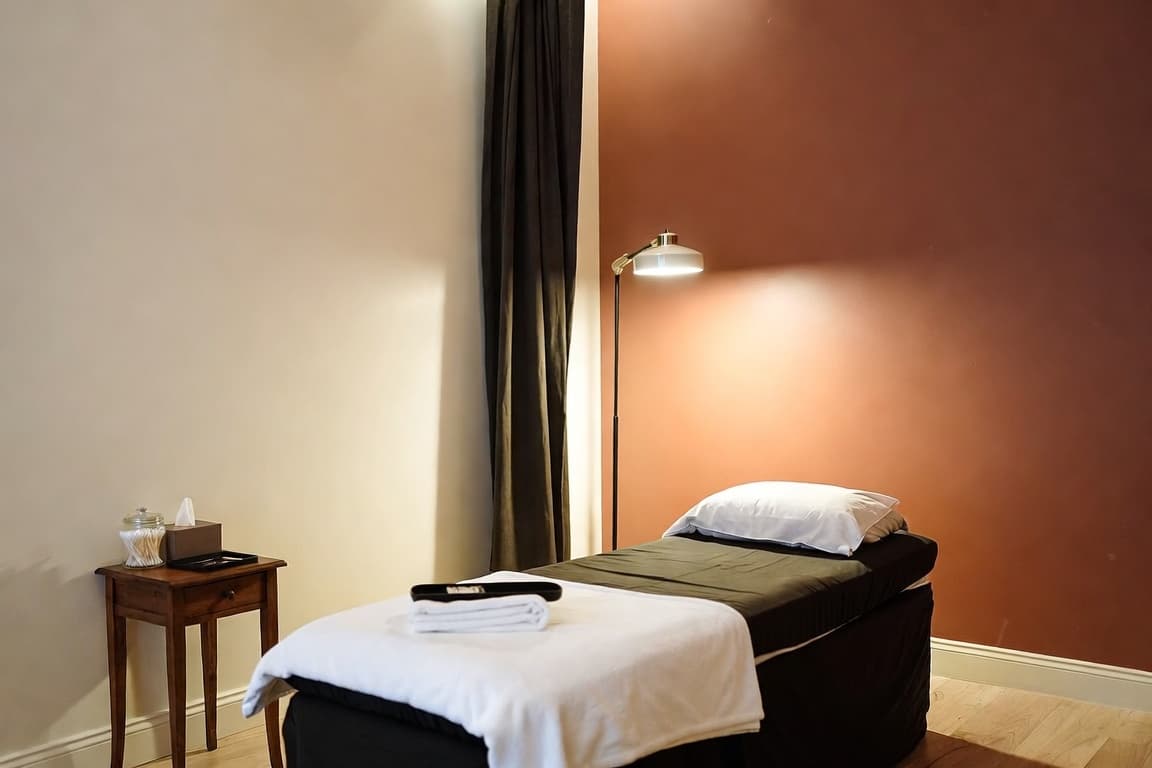
Lash appointments are long, quiet, and horizontal. The client lies still with her eyes closed for one to three hours. That changes what the environment needs to do.
Temperature matters, because a client lying still gets cold. Have blankets. Sound matters, because there is nothing to look at. Curate it. Air quality matters, because adhesive fumes accumulate in small rooms without ventilation, for you as much as for the client.
Many clients describe a good lash appointment as the most restful part of their month. That is a genuine competitive advantage and it comes almost entirely from environmental details that cost very little.
Pricing and the fill window
Two decisions to make deliberately at the start.
Set your fill window and enforce it. Most artists define a fill as a client returning within two to three weeks with a minimum percentage of extensions remaining, commonly around 40%. Beyond that window it becomes an extended fill or a new set at a higher price. Publish this. Otherwise you will spend two hours on an appointment booked as a 75 minute fill, repeatedly, and resent it.
Price for your time, not for the local floor. Lash pricing varies enormously by market, and there is always someone nearby charging half. Competing there is a fast route to burnout, because the physical cost of the work is fixed regardless of what you charge. See how to price your services.
Filling the book
New lash artists usually fill faster than other beauty verticals, for one reason: results are highly visible and photograph well. A good before and after is genuinely persuasive.
Build a portfolio before you launch. Model sets at a discount in exchange for photography rights. Shoot in consistent lighting. Capture eyes open and closed, straight on and three quarter.
Get the retention conversation right at the first visit. Aftercare compliance drives retention, and retention drives whether the client stays with lashes at all. Explain cleansing, sleeping, and oil avoidance clearly, then send it in writing afterward so she is not relying on memory.
Rebook at the bed, every time. With a two to three week cycle, this is not optional. Book the next fill before she leaves. The clients who leave without a next appointment are the ones who lose too many lashes and quietly disappear. See why salon clients ghost you and the first 100 clients.
Is it right for you?
Lash suits artists who are detail obsessed, comfortable with long periods of quiet focused work, and physically able to sustain a static posture for hours. It does not suit people who need variety and movement in their day, and there is no shame in discovering that early.
The upside, for those it does suit, is one of the most stable client relationships in the industry. A retained lash client sees you twenty times a year. Very few service businesses get that kind of frequency, and the compounding relationship it creates is why so many lash artists build small, quiet, genuinely profitable studios that never need to chase new clients at all.

Built for businesses like yours
Lumidara is the affordable scheduling and client platform for independent salons, nail studios, lash bars, and spas. Free to start. No credit card required.
See how Lumidara works